
Providing the right environment for your small animal is essential to ensure their comfort and well-being. Just as humans need a comfortable, safe space to thrive, small pets like rabbits, guinea pigs, and hamsters need their own habitats designed to suit their specific needs. Small animal cages are the foundation of creating that perfect environment, offering a safe, enriching, and comfortable space for your pet.
The right small animal cage helps mimic your pet’s natural habitat, ensuring they stay healthy, active, and happy. From selecting the best small animal cages to setting them up with the appropriate accessories, every detail matters to your pet’s health and happiness. In this guide, we’ll explore the essentials for setting up a small animal cage, focusing on the features you should consider and common mistakes to avoid.
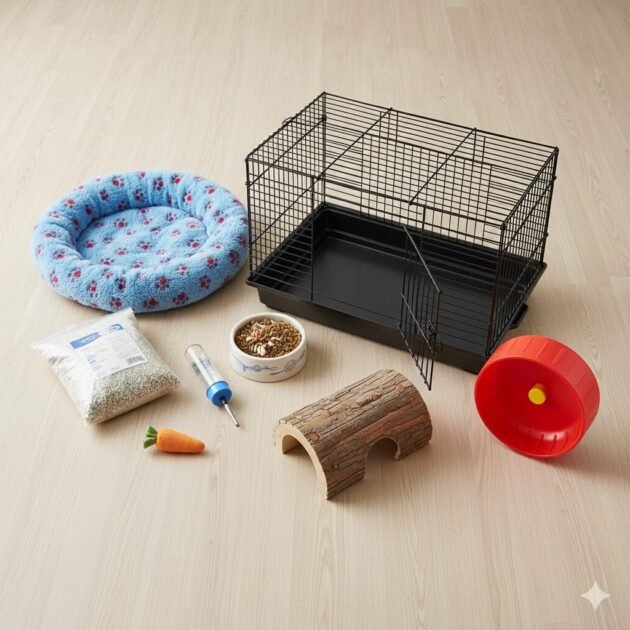
Choosing the Right Small Animal Cage for Your Pet
1. Understanding Your Pet’s Needs
Different small animals have different cage requirements. Each species has its own set of needs regarding space, ventilation, and habitat features. Understanding your pet’s behavior and natural environment is key to selecting the best small animal cages.
- Rabbits: Require a larger, more open space to hop around and explore.
- Guinea Pigs: Prefer horizontal space and need enough room to move freely, often requiring at least 7.5 square feet per guinea pig.
- Hamsters: Need smaller enclosures but require enriching tunnels and bedding to burrow and explore.
Choosing a cage based on your pet’s size, species, and behavior is crucial for their happiness and health. The best small animal cages will meet these needs, providing both comfort and security.
2. Cage Size and Space Requirements
A proper small animal cage needs to be large enough to provide ample room for your pet to move around. A cramped environment can cause stress, anxiety, and even health issues like obesity and lethargy.
- Rabbits: At least 5-6 square feet of floor space is required, but the more space the better.
- Guinea Pigs: A cage with a minimum of 7.5 square feet for one guinea pig, increasing with more pets.
- Hamsters: A 10-20-gallon tank is typically recommended, depending on the breed.
The best small-animal cages should provide ample space for your pet to exercise, rest, and feel secure. Keep in mind that larger cages are better, as they allow for more enrichment and comfort.
Essential Features to Look for in the Best Small Animal Cages
3. Ventilation and Safety
Proper ventilation is crucial in any small animal cage to maintain a healthy, clean environment. Inadequate airflow can lead to respiratory issues for your pet. Choose cages with well-ventilated sides to promote airflow and reduce the risk of airborne pathogens.
Additionally, it’s essential to select cages made from non-toxic, chew-resistant materials to prevent harm to your pet. Avoid cages with sharp edges, as they could injure your small animal.
4. Easy Access and Maintenance
One of the key features of the best small animal cages is ease of access. The cage should have large doors for easy cleaning, feeding, and handling of your pet. A removable tray or a pull-out base is also helpful for quick maintenance.
- Accessibility: Ensure that the cage allows you to interact with your pet and provides a hassle-free way to remove waste or add fresh bedding.
- Maintenance: Choose cages with removable components for easy cleaning and long-term maintenance.
Setting Up the Cage for Your Pet’s Comfort
5. Bedding and Flooring
The type of bedding used in a small animal cage can impact your pet’s comfort and hygiene. Bedding not only provides a comfortable surface but also absorbs waste and odors.
- Recommended Bedding Materials:
- Paper-based bedding: Soft, absorbent, and safe for most small animals.
- Aspen shavings: Ideal for most pets, but should be used sparingly for rabbits due to potential risks.
- Hay: Great for herbivores like guinea pigs and rabbits, serving as both bedding and food.
The right bedding material helps create a cozy, hygienic environment for your pet. Ensure the bedding is non-toxic and dust-free to reduce respiratory risks.
6. Hiding Spaces and Resting Areas
Small animals need secure, quiet places to rest and sleep. Hiding spaces or nesting boxes are essential for your pet’s mental health. They provide a sense of safety and security, especially for animals like guinea pigs and hamsters, who are prey animals by nature.
- Recommended Hiding Spaces:
- Tunnels: Hamsters and guinea pigs enjoy tunnels for exploration and hiding.
- Caves or igloos: Ideal for creating a safe and private resting spot.
Providing a hiding spot is crucial to reducing stress and allowing your pet to retreat when they need rest.
7. Food and Water Stations
Ensure your small animal cage is equipped with both a food dish and a water source.
- Water Bottles: These are ideal for preventing spills and keeping water clean.
- Food Bowls: Choose shallow bowls that are easy for your pet to access.
Both food and water stations should be placed where your pet can easily access them without interfering with their movement or resting areas.
Adding Enrichment to Small Animal Cages
8. Toys and Exercise Equipment
Boredom can lead to stress and health problems in small pets. It’s important to include toys and exercise equipment in your pet’s small animal cage to keep them mentally and physically stimulated.
- Exercise Wheels: Ideal for hamsters and other small rodents to encourage movement.
- Chew Toys: Essential for dental health and enrichment.
- Climbing Structures: For species like guinea pigs that love to explore vertical space.
These accessories promote a healthy, active lifestyle and keep your pet engaged.
9. Providing Natural Elements
Mimicking your pet’s natural environment enhances their quality of life. Add live plants, branches, or grass mats to encourage natural behaviors and provide a more stimulating environment.
- Live Plants: Safe, non-toxic plants like basil or cilantro can be added to the cage.
- Branches or Grass Mats: Promote natural foraging and nesting behaviors.
Common Mistakes to Avoid When Setting Up a Small Animal Cage
10. Overcrowding and Inadequate Space
One of the most common mistakes is overcrowding small animal cages. Too many pets in one cage can cause stress, territorial disputes, and health issues. Always ensure your pet has enough space to move freely and comfortably.
11. Inadequate Ventilation or Poor Cage Placement
Poor ventilation can lead to health issues, so always ensure your cage has proper airflow. Additionally, placing the cage in an area with direct sunlight or near drafts can cause temperature instability and stress for your pet.
Where to Buy the Best Small Animal Cages
12. Online Pet Stores and Retailers
Shopping for small animal cages has never been easier with the rise of Online Pet Supplies. Trusted online retailers like Kwik Pets offer a wide range of options, making it easy to find the best small animal cages at competitive prices.
- Benefits of Shopping Online:
- Convenience: Shop from home and have cages delivered to your door.
- Wide Selection: Browse various cage types, sizes, and brands.
- Customer Reviews: Learn from other pet owners’ experiences before purchasing.
13. Shopping Tips: What to Look for in a Quality Cage
When shopping for small animal cages, consider the following:
- Material Quality: Look for non-toxic, chew-resistant materials.
- Size: Ensure the cage is spacious enough for your pet’s needs.
- Ventilation: Adequate airflow is essential for a healthy environment.
Conclusion
Setting up the perfect small animal cage involves careful consideration of size, features, and comfort. The best small animal cages will provide your pet with a secure, comfortable environment that promotes health and happiness. With the right accessories, bedding, and enrichment, your pet’s home can be a thriving space.
Read More:- Habitat Heroes: Why Quality Small Animal Cages Matter More Than Ever