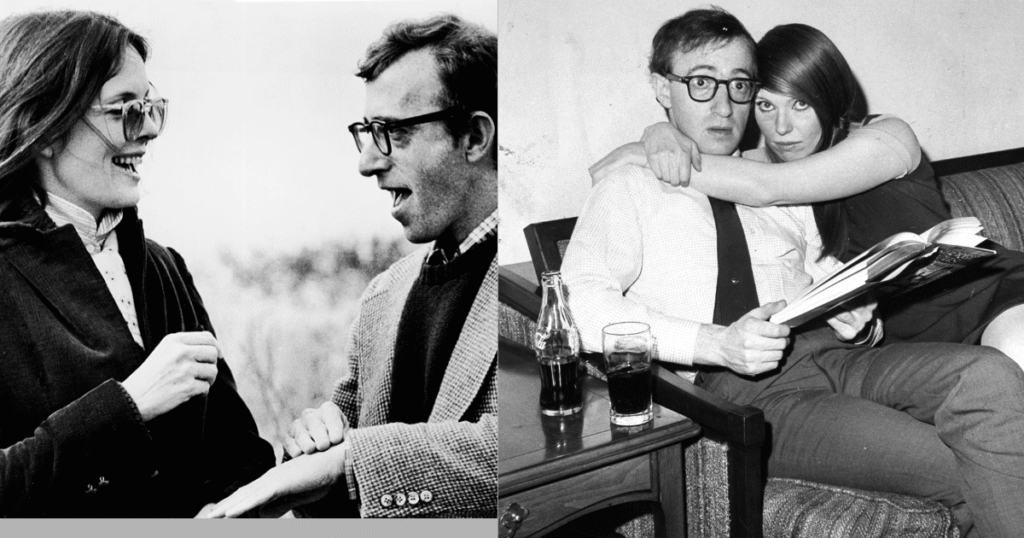
Harlene Rosen stands as a figure largely forgotten in Hollywood history, yet her story reveals crucial insights into the early life of one of cinema’s most controversial filmmakers. As Woody Allen‘s first wife, she experienced both the promise of young love and the painful reality of being turned into comedic material. This comprehensive article explores the life of Harlene Susan Rosen, from her teenage marriage through her courageous legal stand for dignity, to her decades of chosen privacy.
Quick Facts About Harlene Rosen
| Category | Details |
|---|---|
| Full Name | Harlene Susan Rosen |
| Birth Date | November 30, 1939 |
| Current Age | 85 years old (as of 2025) |
| Birthplace | United States |
| Parents | Julius Rosen (father), Judith Rosen (mother) |
| Marriage to Woody Allen | March 15, 1956 (age 16-17) |
| Separation | 1959 |
| Divorce Finalized | 1962 |
| Profession | Pianist |
| Known For | Woody Allen’s first wife, defamation lawsuit, maintaining privacy |
| Legal Action | Sued Allen and NBC for defamation (1967) |
| Children | None |
| Current Status | Living privately in the United States |
Who Is Harlene Rosen?
Harlene Susan Rosen is best known as the first wife of acclaimed filmmaker and comedian Woody Allen, whom she married as a teenager in March 1956. Born on November 30, 1939, into a Jewish family in New York, Harlene came from an intellectual household where her father, Julius Rosen, worked in New York’s public school system.
As a talented pianist, Harlene played in Allen’s early jazz band during their marriage, showcasing her musical abilities alongside his burgeoning comedy career. However, their relationship deteriorated when Allen began publicly mocking her in his stand-up routines, calling her “the Dread Mrs. Allen” and making cruel jokes about their relationship—including about a sexual assault she experienced.
In a remarkable act of courage for the 1960s, Rosen sued Allen for defamation in 1967, and a judge issued a temporary cease and desist order against him and NBC. After their divorce and legal battle, Rosen completely withdrew from public life and has maintained strict privacy for over 60 years—until 2015, when she briefly broke her silence with a gracious birthday message to Allen.
Early Life and Family Background
Harlene Rosen was born on November 30, 1939, in the United States, growing up in a supportive Jewish family with her parents, Julian and Judith Rosen. Her early years were shaped by the values of education, music, and privacy that characterized mid-century American Jewish households.
A Musical Childhood
From a young age, Harlene developed a deep passion for music, particularly the piano, which became a defining part of her identity. Her parents encouraged her artistic pursuits, providing her with piano lessons and fostering an environment where creativity could flourish. This musical foundation would later play a significant role in her relationship with Woody Allen.
Growing Up in Post-War America
Harlene’s formative years coincided with post-World War II America, an era when young women often faced limited career options and early marriage was socially accepted. The 1950s cultural landscape emphasized traditional gender roles, where women were expected to support their husbands’ ambitions while setting aside their own dreams.
This social environment shaped Harlene’s early life experiences and would profoundly influence her marriage to Allen. Like many women of her generation, she would find herself navigating the tension between personal ambition and societal expectations.
Meeting Woody Allen: A Teenage Romance
Harlene Rosen met Woody Allen—then known as Allen Stewart Konigsberg—when they were both teenagers in 1950s New York. According to Wikipedia, Allen was born on November 30, 1935 (officially December 1, 1935, according to some documents), making him approximately four years older than Harlene.
The Early Years of Woody Allen
When Harlene met him, Allen was a young comedy writer desperately trying to break into show business. He had begun his career at age 15, writing jokes for newspaper columnists and earning $200 a week. By 1955, at age 19, Allen had joined NBC’s Writer’s Development Program, working alongside comedy legends who would later become famous.
Allen was ambitious, neurotic, and utterly focused on becoming successful in comedy. According to IMDb, Allen wrote for television shows including “The Tonight Show” and worked with Sid Caesar’s writing staff alongside future stars like Mel Brooks, Carl Reiner, and Neil Simon.
A Shared Love of Music and Culture
What brought Harlene and Allen together was their shared passion for music and arts. Both came from Jewish families navigating life in mid-century New York, and they bonded over movies, jazz music, and intellectual discussions. Harlene saw something special in the young comedian before anyone else did—before the awards, the acclaim, and the controversies.
Their courtship happened against the backdrop of 1950s New York, where young couples dated at diners and movie theaters. Allen was broke but driven, working odd jobs while pursuing his writing career. Harlene supported his dreams, believing in his talent when he was still an unknown struggling to make it in comedy.
The Marriage That Started Too Young
On March 15, 1956, Harlene Rosen married Woody Allen at the Hollywood Hawaiian Hotel in Los Angeles, with a rabbi officiating the ceremony. She was just 16 or 17 years old. He was 20. Neither had lived enough to truly understand what marriage required.
The Age Question and Power Dynamics
Various sources conflict on Harlene’s exact age at marriage, with some reports suggesting she was as young as 16, while others indicate 17. This age difference wasn’t unusual in the 1950s, when young marriages were socially acceptable and even encouraged. However, the power dynamic between a teenage girl and a man already pursuing his career ambitions created an uneven foundation from the start.
At that age, most people are still figuring out their own identities. Harlene was navigating how to be someone’s wife while still completing her education. According to competitor sources, Harlene completed four years of college during their marriage, studying Philosophy, which she later introduced to Allen by sharing her reading material with him.
Allen’s Rapid Career Ascent
Woody was evolving rapidly as a comedian and writer during their marriage. By 1962 alone, Allen estimated that he wrote 20,000 jokes for various comics. He worked constantly, driven by ambition and anxiety. His career was taking off in ways that created new pressures on their young marriage.
The couple lived modestly in New York while Allen worked to establish himself as a comedy writer. Friends noted there was no real honeymoon period, with tensions rising quickly. Being married to someone who observed life as material changed the relationship fundamentally—every conversation could become a bit, every argument might appear in his next set.
Life as a Pianist in Allen’s Jazz Band
Before she became known as “the Dread Mrs. Allen,” Harlene was a talented pianist in her own right. During their marriage, she played in Woody’s early jazz band, actively contributing to his creative pursuits while he built his career.
Her Musical Contributions
Harlene had a strong passion for music, particularly the piano, which became a defining part of her career. She didn’t just tolerate Allen’s artistic ambitions—she participated in them directly. She shared stages with him, contributed her musical talents to his projects, and was a creative partner, not merely a supportive spouse.
This detail matters because it shows Harlene had her own gifts and artistic identity. She wasn’t just Woody’s wife—she was an artist contributing to the jazz music scene of 1950s New York. Her skills, talent, and creative potential deserved recognition but would ultimately be overshadowed by his growing fame.
The Erasure of Her Contributions
Yet when their marriage ended, none of that mattered in Allen’s retelling. She became reduced to a punchline rather than remembered as a collaborator. Her contributions were erased from the narrative. Her talent was forgotten. She became only what Woody said she was—a failed relationship worth mocking.
This pattern happens often to women married to famous men. Their own accomplishments disappear. Their identities collapse into “wife of” or “ex-wife of.” Their talents become footnotes while their husbands’ careers become headlines.
When Comedy Crossed the Line: Public Humiliation?
Here’s where Woody Allen’s treatment of Harlene became indefensible. After their separation in 1959 and subsequent divorce, he systematically turned her into comedic material. He called her “the Dread Mrs. Allen” and “Quasimodo” in his stand-up routines and television appearances, making disparaging jokes about their marriage to get laughs from strangers.
The Pattern of Using Women as Material
According to the Daily Mail article from 2015, Allen was 19 when he proposed to Rosen in 1955, and they married the following year. She had played the piano in his jazz band, but the relationship soured when he began making fun of a “generic wife” in public performances.
Allen’s early stand-up comedy reflected the smug chauvinism common in 1960s comedy, and he joked so vociferously about Rosen that his humor quickly crossed the line from typical divorce humor into genuine cruelty. This wasn’t gentle ribbing—it was systematic humiliation using his platform and growing fame.
The power imbalance was staggering. Woody had cameras, audiences, and celebrity status. Harlene had none of that. He weaponized his fame against someone who couldn’t fight back on equal terms.
The Unforgivable Sexual Assault Joke
The most egregious example occurred after Rosen was sexually assaulted outside her apartment during or shortly after their marriage. According to sources, newspapers reported that she had been “violated.” In a shocking display of callousness, Allen made it into comedy material, joking: “Knowing my ex-wife, it probably wasn’t a moving violation.”
Let that sink in. His ex-wife was sexually assaulted, and he turned her trauma into a punchline.
This particularly offensive joke appeared in his stand-up routines and on television appearances, including The Dick Cavett Show. Upon meeting with lawyers, Harlene made it a term of the divorce negotiations that Allen not mention her assault as part of his routines anymore. However, Allen continued to mock her assault in public performances, demonstrating a complete disregard for her dignity and pain.
The Defamation Lawsuit That Made History
In 1967, Harlene Rosen took extraordinary action by suing Woody Allen and NBC for defamation, asking for $1 million in damages. The court issued a temporary cease and desist order stopping Allen from making further jokes about her.
A Courageous Stand
This lawsuit took remarkable courage. Suing a famous comedian for jokes was extremely difficult in the 1960s. Comedy enjoyed wide protections under free speech laws, and courts were traditionally reluctant to limit comedic expression, even when hurtful. Taking on someone with Allen’s resources and growing fame was intimidating—especially for a private person simply trying to rebuild her life.
But Harlene wasn’t seeking attention or revenge. She was demanding basic human respect. Her lawsuit declared: You don’t get to humiliate me for laughs. You don’t get to joke about my trauma. Our marriage may have failed, but I deserve dignity.
The Legal Precedent
The specific details of the lawsuit’s resolution aren’t widely public. What matters historically is that Harlene stood up for herself at a time when few women did. She refused to be a silent victim of Woody’s humor. She used the legal system to say “enough is enough.”
This lawsuit reveals her character profoundly. She wasn’t bitter—she was principled. She wasn’t vengeful—she was protective of her fundamental dignity. She simply wanted him to stop using her pain as entertainment, setting an early precedent for the limits of comedy at another person’s expense.
Divorce Settlement and Alimony Details
Harlene Rosen and Woody Allen separated in 1959 after approximately three years of marriage, with their divorce officially finalized in 1962. They had no children together.
The Financial Settlement
According to the 2015 Daily Mail article, Allen agreed to pay $75 a week in alimony after they divorced. This amount could potentially have risen to $175 if he secured a steady job. However, there’s no clear public record showing the alimony increased despite Allen’s subsequent rise to fame and significant earnings.
In the biography “Woody” by David Evanier, research psychologist Jack Victor revealed that Allen wrote to him about his loneliness a year after marrying Harlene. Victor noted: “Leaving when she did, as Woody was about to make it, she got a bad deal.”
This observation highlights an uncomfortable truth: Harlene left the marriage just as Allen’s career was gaining momentum. She supported him through his struggling years, contributed to his creative work, and then departed before benefiting from his eventual success.
The Timing of the Split
The divorce marked the end of a difficult chapter for both of them. By the time they officially divorced in 1962, Harlene was only 22 or 23 years old. She had spent her late teens and early twenties married to a man who would become one of America’s most famous filmmakers. But she left before his real fame arrived, choosing her dignity and peace over staying in an unhappy marriage.
The 2015 Birthday Message: Breaking 50 Years of Silence
In November 2015, ahead of Woody Allen’s 80th birthday, Harlene Rosen appeared with a heartfelt and nostalgic message that surprised many. Despite their bitter divorce and decades of silence, Rosen harbored no visible hard feelings.
The Gracious Tribute
Her message, included in David Evanier’s biography “Woody” published by St Martin’s Press, was remarkable for its grace and maturity:
“Wondrous Woody, you inspired me with your enormous energy, creativity and charisma. I loved going to movies with you. I loved making music with you… After our teenage summer of love, marriage was difficult. You established a career. I completed four years of college. We supported each other, learnt about life and became adults. There was sadness, tears, laughter and love.”
According to the Daily Mail, this was Rosen’s first public statement in more than 30 years.
What the Message Reveals?
This message reveals something profound about Harlene’s character. After decades of silence. After public humiliation. After jokes about her sexual assault. After a defamation lawsuit. She chose grace over bitterness.
She acknowledged the good parts of their relationship. She recognized their mutual growth. She didn’t dwell on the pain or seek to relitigate old wounds. She simply offered a human, nuanced reflection on a complicated relationship—like most relationships are.
This wasn’t weakness or capitulation. It was emotional strength. It demonstrated someone who had processed her trauma, moved forward with her life, and could look back with perspective rather than anger. Her ability to extend this kindness speaks volumes about her character and the inner peace she had achieved.
Life After Divorce: Choosing Privacy Over Publicity
After her divorce and lawsuit, Harlene Rosen made a choice that seems almost radical in today’s culture of constant visibility: complete privacy. She disappeared from public view—no interviews, no tell-all memoirs, no attempts to cash in on her connection to one of America’s most famous filmmakers.
The Power of Silence
This decision shows remarkable restraint. She could have written a bestselling memoir. Publishers would have paid substantial sums for the inside story of being married to young Woody Allen. She could have given interviews every time Woody faced new controversies—and there have been many over the decades. She could have built a career on being his first wife.
She refused everything. Harlene chose dignity over dollars, privacy over publicity, and peace over profit. She decided that some experiences aren’t for sale, that her marriage, however painful, was hers—not content for public consumption.
Invisibility as Strategy
Living privately after public humiliation takes extraordinary strength. While Allen’s subsequent relationships—particularly with Louise Lasser, Mia Farrow, and Soon-Yi Previn—dominated headlines for decades, Rosen stayed completely quiet.
Her privacy protected her from becoming a perpetual victim. Had she spoken out constantly, she would be forever linked to him, forever defined as “Woody Allen’s bitter ex-wife.” Instead, she became a mystery—a woman who lived fully beyond the reach of his narrative.
Current Life
As of 2025, Harlene Rosen is 85 years old and reportedly lives a very quiet life somewhere in the United States. Details about her life after the early 1960s remain intentionally scarce. No one knows for certain if she remarried, had children, or pursued a career in music or another field.
Some reports suggest she may have remarried and built a life completely separate from the entertainment industry, while others indicate she may have continued with music privately. Decades later, The New York Times reported on a long-running legal dispute that had lingered for fifty years, which was eventually resolved, confirming Rosen was still alive and dealing with matters connected to her past with Allen.
Her lack of information frustrates people seeking closure on her story. But Harlene doesn’t owe anyone her narrative. She lived through enough public exposure during her marriage and divorce. She earned the right to disappear, and she successfully achieved a level of privacy that seems nearly impossible in the modern digital age.
Woody Allen’s Life After Harlene: A Pattern Emerges
Understanding Harlene’s story provides crucial context for Woody Allen’s subsequent relationships and the patterns that emerged throughout his life.
The Second Marriage to Louise Lasser
After divorcing Harlene, Woody Allen married actress Louise Lasser in 1966. According to Wikipedia, Lasser was born April 11, 1939, and became famous for her role in the soap opera satire “Mary Hartman, Mary Hartman.”
Lasser appeared in five films directed by Allen: “What’s Up, Tiger Lily?” (1966), “Take the Money and Run” (1969), “Bananas” (1971), “Everything You Always Wanted to Know About Sex” (1972), and “Stardust Memories” (1980). Their marriage ended in divorce in 1970, though they remained friendly afterward.
The Relationship with Mia Farrow
Allen’s relationship with actress Mia Farrow began in 1980 and lasted 12 years. According to Wikipedia’s article on the Woody Allen sexual abuse allegation, they had three children together: two adopted (Dylan and Moses) and one biological (Ronan Farrow, originally named Satchel).
The relationship ended catastrophically in 1992 when Farrow discovered nude photographs of her adopted daughter, Soon-Yi Previn, in Allen’s apartment. This discovery led to Allen and Farrow’s separation and subsequent custody battles.
Marriage to Soon-Yi Previn
According to Wikipedia, Soon-Yi Previn was born approximately October 8, 1970, and was adopted by Mia Farrow and musician André Previn in 1978. She married Woody Allen on December 22, 1997, when he was 62 and she was 27—a 35-year age gap.
The relationship between Allen and his partner’s adopted daughter created enormous public controversy. Allen and Previn have two adopted daughters together and remain married as of 2025.
The Troubling Pattern
Harlene was the first in a series of relationships that followed concerning patterns:
- Harlene Rosen (1956): Married at 16-17 years old to his 20
- Louise Lasser: Married at 27 to his 31, appeared in his films
- Diane Keaton: Close collaborator and romantic partner, starred in multiple Allen films including “Annie Hall”
- Mia Farrow: 12-year relationship, appeared in 13 of his films
- Soon-Yi Previn: Adopted daughter of his partner, 35-year age gap
While the specific dynamics varied, a pattern emerges of Allen pursuing relationships where he held significant power advantages—whether through age, fame, professional influence, or familial position.
Why Harlene Rosen’s Story Still Matters in 2025?
Decades have passed since Harlene Rosen sued Woody Allen and disappeared from public life. She’s probably in her mid-80s now, and most people have forgotten she exists. Yet her story matters profoundly for what it teaches about power, dignity, boundaries, and the courage to choose privacy.
Power Imbalances in Celebrity Relationships
Harlene’s experience demonstrates how fame creates devastating power imbalances in relationships. Woody had the platform, the audience, the microphone. Harlene had none of that. He could shape the public narrative unilaterally. She could only react. This dynamic appears in countless celebrity relationships where one partner has significantly more visibility and can weaponize that imbalance.
Legal Boundaries in Comedy
Her landmark defamation lawsuit demonstrated that legal boundaries exist even in comedy. That “it’s just a joke” doesn’t excuse cruelty or exploitation. That public figures can’t hide behind humor to harm private individuals—especially when making jokes about sexual assault.
This principle remains relevant today when comedians and public figures mock ex-partners, assault victims, or private individuals for content. Harlene’s legal stand set an early precedent for accountability.
The Value of Privacy
Harlene’s decades of privacy prove you can survive public humiliation and rebuild a meaningful life privately. That you don’t need to tell your side publicly to move forward personally. That sometimes the most powerful response to being exploited is refusing to be used again.
In an age of social media, reality television, tell-all books, and constant visibility, Harlene’s choice of opacity feels revolutionary. Her silence speaks volumes about her priorities and values.
The #MeToo Context
Looking back through the lens of the #MeToo movement, Harlene’s experience becomes even more significant. She sued Allen decades before the movement gave these battles cultural weight and language. She fought for dignity and accountability when society had few frameworks for understanding harassment, public humiliation, or the exploitation of trauma.
She was, in many ways, ahead of her time—a woman demanding respect and boundaries before society recognized those demands as legitimate.
Lessons for Today
Harlene’s story teaches that:
- Marriage to ambitious artists often means becoming their material unless clear boundaries exist from the start
- Legal action is valid when someone uses their platform to humiliate you repeatedly
- Privacy after public exposure is a legitimate choice deserving respect
- You can honor your past without letting it define your entire life
- Dignity matters more than vindication or revenge
- Grace is possible even after terrible treatment
- Patterns in someone’s first relationship often continue throughout their life
<a name=”faqs”></a>
Frequently Asked Questions About Harlene Rosen
How old is Harlene Rosen now?
As of 2025, Harlene Rosen is 85 years old, having been born on November 30, 1939.
When did Harlene Rosen marry Woody Allen?
Harlene married Woody Allen on March 15, 1956, when she was just 16 or 17 years old and he was 20 years old. The ceremony took place at the Hollywood Hawaiian Hotel in Los Angeles.
Did Harlene Rosen have children with Woody Allen?
No. There is no public information indicating that Harlene Rosen and Woody Allen had any children during their marriage. They separated in 1959 and divorced in 1962 without children.
Why did Harlene Rosen sue Woody Allen?
Harlene sued Allen and NBC for defamation in 1967 because he made cruel jokes about her in his comedy shows and television appearances, including jokes about her sexual assault. She asked for $1 million in damages, and a judge issued a temporary cease and desist order.
What was the “moving violation” joke?
After Rosen was sexually assaulted outside her apartment, newspapers reported she had been “violated.” Allen made this into a punchline, joking: “Knowing my ex-wife, it probably wasn’t a moving violation.” This joke appeared in his stand-up routines and on television despite being told to stop.
Did Harlene Rosen remarry after divorcing Woody Allen?
It’s unknown whether Harlene remarried. She has maintained complete privacy since the 1960s, and details about her personal life, including any subsequent marriages or relationships, remain undisclosed.
Where is Harlene Rosen now?
Harlene lives a very quiet, private life somewhere in the United States, completely away from the public eye. Her exact location and current circumstances are not publicly known, which reflects her successful maintenance of privacy for over 60 years.
Did Harlene Rosen ever reconcile with Woody Allen?
In 2015, Harlene sent a gracious birthday message for Allen’s 80th birthday through his biographer David Evanier. The message showed she harbored no hard feelings despite their bitter divorce, acknowledging both the good and difficult parts of their youthful relationship.
What was Harlene Rosen’s profession?
Harlene was a talented pianist who played in Woody Allen’s early jazz band during their marriage. She also completed four years of college, studying Philosophy, which she introduced to Allen. After their divorce, her career path remains private.
How much alimony did Woody Allen pay Harlene Rosen?
According to reports, Allen agreed to pay $75 per week in alimony, which could have increased to $175 if he secured steady employment. However, there’s no clear public record showing whether the amount increased despite Allen’s subsequent success.
Conclusion: The Woman Who Refused to Be a Punchline
Harlene Rosen married young, divorced young, and spent the rest of her life refusing to be defined by those formative years. She was more than Woody Allen’s first wife. More than the woman he mocked in his routines. More than the ex-wife who sued him.
She was a pianist with genuine talent. A person with her own dreams and aspirations. A woman who demanded respect when it wasn’t freely given. A human being who chose privacy in an age that increasingly demands constant visibility and disclosure.
Her story reminds us that even in the loud world of fame and celebrity, there are people who choose peace over publicity. She experienced firsthand how marriage to a rising star can strip away your identity until you become just a supporting character in someone else’s narrative.
But Harlene refused that role. She walked offstage. She stopped performing in Woody’s narrative. She wrote her own story privately—we just don’t get to read it. And that’s precisely the point.
In a culture obsessed with transparency, oversharing, and monetizing every experience, Harlene’s opacity feels revolutionary. In a world where everyone shares everything on social media, her decades of silence speak volumes about her values and character. She proved you can be connected to fame and still claim your life as fundamentally your own.
If you’re fascinated by stories of people who loved celebrities before they were famous—the high school sweethearts left behind, the early supporters discarded during the climb, the partners who gave everything only to be mocked once fame arrived—Harlene represents them all.
Her dignity in the face of humiliation remains impressive decades later. She didn’t become bitter. She didn’t seek revenge. She simply moved forward, carrying her story privately, refusing to let Woody Allen’s narrative consume her identity.
That’s not just survival. That’s victory on her own terms.