The Kia Sportage has earned a solid reputation across the UAE as a dependable SUV. It serves as a reliable partner for busy school runs in Dubai.
It also handles the long highway stretches to Abu Dhabi with ease. Drivers appreciate its balance of style and practical engineering for daily needs. However, maintaining that showroom-fresh driving feel requires consistent attention.
Over time, road conditions and extreme heat can impact ride quality. Following specific Kia Sportage maintenance tips ensures your SUV remains comfortable.
A smooth drive is not just about luxury; it is about safety. It also protects your investment from premature wear and mechanical stress. Let us explore how to keep your vehicle performing its best.
Why Smooth Driving Matters for Kia Sportage Owners
Driving smoothly is more than just a pleasant sensation for passengers. It indicates that all vehicle systems are working in harmony with the road.
A smooth ride reduces driver fatigue during long commutes on Sheikh Zayed Road. It allows you to stay alert and focused on traffic conditions. When a car handles predictably, it inspires confidence in the driver.
Furthermore, a smooth ride signifies that the suspension is functioning correctly. It means the tyres are making optimal contact with the road surface. This connection is vital for effective braking and cornering stability. Prioritizing ride quality effectively acts as a health check for your car.
Comfort and Control on UAE Roads
The UAE offers a mix of perfect highways and occasional construction zones. A well-maintained car handles these transitions without jarring the cabin. Stability allows for confident lane changes at highway speeds. It also ensures that city driving remains relaxing rather than stressful.
Driving in urban areas often involves frequent stops and starts. A smooth-running vehicle manages this cycle without jerking or hesitation. This control is essential for navigating tight parking spaces in malls. It enhances the overall ownership experience of your Sportage.
Protecting Vehicle Components Over Time
Vibrations and harsh impacts travel through the entire vehicle frame. This stress accelerates wear on bushings, mounts, and joints. Keeping the drive smooth minimizes the physical toll on these parts. It saves money on repairs and extends the lifespan of the car.
When a car vibrates, it can loosen bolts and fasteners over time. It can also cause premature failure of electronic sensors. A smooth ride creates a stable environment for sensitive components. This holistic approach to care prevents cascading mechanical failures.
Understanding the Kia Sportage Driving System
The Sportage is engineered to handle diverse driving scenarios efficiently. Its chassis is tuned to absorb bumps while maintaining firmness. Understanding how this system works helps you appreciate the need for care. Every component plays a role in how the car feels on the road.
The engineering focuses on balancing weight distribution and shock absorption. This ensures the vehicle stays level during turns and braking. It prevents the uncomfortable rolling sensation often associated with SUVs. Knowing these basics helps you identify when something feels “off.”
Suspension and Chassis Design
The suspension system acts as a cushion between the road and the body. It compresses and rebounds to soak up imperfections in the asphalt. This prevents jolts from reaching the driver and passengers. A healthy suspension keeps the tyres firmly planted on the ground.
The chassis provides the rigid framework that supports the suspension. It is designed to resist twisting forces during cornering. This rigidity is what gives the Sportage its solid feel. keeping suspension parts fresh maintains this structural integrity.
Steering and Braking Balance
Responsive steering provides immediate feedback to the driver. It allows for precise corrections without feeling heavy or loose. The power steering system adjusts assistance based on vehicle speed. This ensures easy maneuvering in parking lots and stability on highways.
The braking system works in tandem to control speed smoothly. Balanced brakes prevent nose-diving during sudden stops in traffic. They also ensure the car stops in a straight line. Regular maintenance keeps these systems responsive and safe.
Common Road Challenges Faced by Kia Sportage Drivers in the UAE
Driving in the Gulf region presents unique challenges for any vehicle. The environment here is much harsher than in cooler climates. These factors combine to test the durability of your Sportage daily. Being aware of them is the first step in prevention.
Sand and dust are constant companions on UAE roads. They can infiltrate moving parts and accelerate abrasive wear. The intense sunlight also degrades rubber components rapidly. Recognizing these threats allows you to take protective measures.
Heat, Road Surfaces, and Traffic
Summer temperatures can raise asphalt heat to extreme levels. This softens rubber components and increases tyre pressure naturally. Stop and go traffic in city centres adds mechanical stress. Frequent braking and accelerating wear down parts faster than cruising does.
The road surface itself retains heat long after the sun sets. This means tyres are constantly running hotter than normal. Traffic congestion prevents airflow that usually cools the brakes. This can lead to brake fade if the fluid is old.
Highway Speeds and Long Distance Driving
Highways in the UAE often allow for higher speed limits. Sustained high speeds require the engine and suspension to work harder. Small imbalances become noticeable vibrations at 120 km/h. This highlights the need for perfect wheel balancing and alignment.
Wind resistance at high speeds also affects stability. A well-maintained suspension helps the car cut through the air smoothly. It prevents the car from wandering within the lane. Stability at speed is crucial for safe inter-emirate travel.
Essential Maintenance Tips for a Smooth Ride
Routine care is the secret to retaining that new car feel. You do not need to be a mechanic to spot issues early. Kia Sportage maintenance tips often revolve around simple visual checks. Addressing small problems now prevents expensive failures later.
Consistency is key when following a maintenance schedule. Do not wait for a breakdown to check your vehicle systems. Proactive care ensures the car is always ready for a trip. Here are the specific areas to focus on.
Regular Suspension and Shock Absorber Checks
Shock absorbers dampen the bounce of the vehicle springs. If they leak or wear out, the car will feel floaty. You might notice excessive dipping when braking or accelerating. Have a professional inspect them during every oil change service.
Worn shocks increase braking distances significantly. They also cause tyres to wear out in uneven patches. If you hear knocking sounds over bumps, check the suspension. Replacing worn shocks restores factory-level ride comfort immediately.
Wheel Alignment and Balancing
Hitting a curb or pothole can knock wheels out of alignment. Misalignment causes the car to pull to one side constantly. Unbalanced wheels cause the steering wheel to shake at speed. Correcting these issues restores stability and prevents uneven tyre wear.
Alignment should be checked at least twice a year in the UAE. It ensures all four wheels point in the exact same direction. Balancing involves adding small weights to the rim. This eliminates vibrations that cause driver fatigue.
Choosing the Right Tyres for Stability
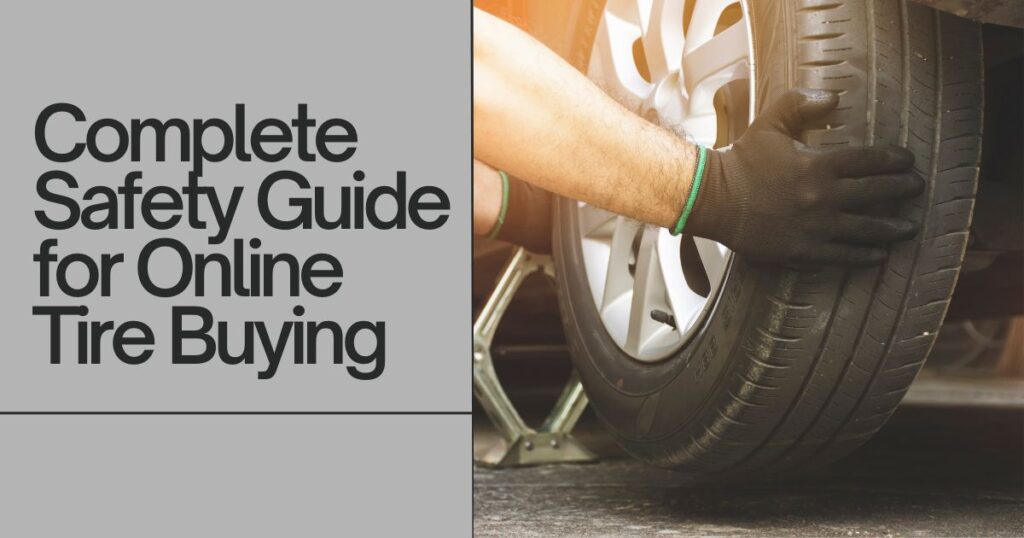
Tyres are the only contact point between you and the road. Their condition directly dictates grip levels and braking distance. For consistent grip and ride comfort, many owners evaluate options like kia sportage tyres that are suited for UAE road conditions and daily driving needs. Selecting the correct specification ensures the suspension works as designed.
Always check the manufacturing date when buying new rubber. Fresh rubber offers better compliance and noise reduction. Ensure the load rating matches the SUV requirements. Using the correct tyre pressure is equally important for performance.
Driving Habits That Improve Ride Smoothness
Your driving style has a massive impact on vehicle longevity. Aggressive inputs shock the drivetrain and suspension components. Adopting a smoother style benefits both the car and your passengers. It is the most cost-effective way to improve ride quality.
Being gentle with controls makes the ride pleasant for everyone. It prevents motion sickness in passengers, especially children. It also reduces fuel consumption significantly. Small changes in habit yield big results.
Smooth Acceleration and Gentle Braking
Jerky movements strain the engine mounts and transmission gears. Easing onto the accelerator allows the car to build speed naturally. Similarly, anticipating stops reduces the need for harsh braking. This practice keeps the weight transfer of the SUV balanced.
Look ahead at traffic lights to time your approach. Coasting to a stop is smoother than braking late. This technique keeps the brake pads cooler. It also prevents the suspension from diving forward abruptly.
Avoiding Potholes and Rough Road Sections
Scanning the road ahead allows you to spot hazards early. Swerving safely around deep potholes protects your rims and alignment. If you cannot avoid a bump, slow down before you hit it. This reduces the impact force on the suspension significantly.
Avoid driving over debris on the highway whenever possible. Even small objects can damage the underside of the car. On gravel roads, reduce your speed to minimize vibration. Respecting road conditions preserves your chassis integrity.
How Weather and Load Affect Driving Comfort
External factors often change how a car handles without warning. The environment in the UAE changes drastically between seasons. Additionally, how you load the car changes its center of gravity. Understanding these variables helps you adjust your driving accordingly.
A heavy car reacts slower to steering inputs. Heat affects how the tyres interact with the asphalt. Being aware of these changes keeps you safe. You must adapt your expectations based on the situation.
Hot Weather Impact on Ride Quality
Extreme heat causes the air inside tyres to expand. This increases pressure, leading to a stiffer and bumpier ride. Rubber bushings also dry out and crack faster in summer. Checking pressure levels weekly is essential during hot months.
Heat can also thin out the shock absorber fluid. This might make the suspension feel slightly softer or bouncier. Park in the shade to protect suspension components from direct heat. Regular checks prevent heat-related failures.
Managing Passenger and Cargo Weight
A fully loaded Sportage will handle differently than an empty one. Heavy loads compress the suspension and lengthen braking distances. Unevenly distributed weight can cause the car to lean in corners. Always distribute luggage evenly to maintain neutral handling.
Check the tyre pressure placard for loaded settings. You may need to add air when carrying a full carload. overload strains the rear suspension significantly. drive more conservatively when the car is heavy.
Technology Features in Kia Sportage That Support Smooth Driving
Modern vehicles come equipped with systems to aid the driver. Kia has integrated features specifically to enhance ride comfort. Knowing how to use them improves your daily experience. These technologies work silently in the background to keep you safe.
Familiarize yourself with the owner’s manual to understand these tools. They are designed to mitigate human error and road challenges. Using them correctly optimizes vehicle performance. It makes driving less demanding physically.
Drive Modes and Stability Systems
The Sportage offers different drive modes for various conditions. Eco mode softens throttle response for smoother city driving. Sport mode tightens steering for better control on highways. Electronic stability control keeps the car planted during sudden maneuvers.
Use the appropriate mode for the terrain you are on. Normal mode offers the best balance for daily commuting. Traction control helps prevent wheel spin on sandy surfaces. These systems constantly adjust to maintain a smooth path.
Noise and Vibration Reduction Features
Sound insulation materials are used throughout the cabin structure. These block wind and road noise from reaching the passengers. The chassis is also tuned to dampen engine vibrations. This engineering results in a serene environment even at speed.
Keep door seals clean to maintain their soundproofing ability. If you hear wind noise, check for damaged weather stripping. A quiet cabin contributes to the perception of smoothness. It reduces stress during long drives.
When to Visit a Service Centre
DIY checks are great, but experts have the right tools. Some issues are internal and cannot be seen visually. Recognizing when to seek help prevents minor issues from escalating. Professional diagnostics provide a clear picture of vehicle health.
Trusting a certified technician ensures repairs meet safety standards. They can spot wearing parts that you might miss. Regular professional servicing is an investment in reliability. It provides a service history that boosts resale value.
Persistent Vibrations or Steering Pull
If the steering wheel shakes despite balancing, see a mechanic. A car that pulls to the side indicates alignment or brake issues. Noises like clunking or squeaking over bumps are warning signs. These symptoms require immediate professional attention to ensure safety.
Ignoring these signs can lead to total component failure. A vibrating car is also tiring to drive. Fix these issues promptly to restore driving pleasure. It is safer for you and other road users.
Seasonal Maintenance for UAE Drivers
Schedule a comprehensive check before the summer heat spikes. Ensure the cooling system and air conditioning are fully functional. Likewise, inspect tyres and brakes before winter camping trips. Seasonal servicing prepares the car for changing environmental demands.
Check the wiper blades before the rainy season starts. Ensure all fluids are topped up to correct levels. A prepared car handles weather changes smoothly. It prevents unexpected breakdowns during holidays.
Frequently Asked Questions
Does tyre choice affect Kia Sportage ride comfort?
Yes, tyres strongly influence grip, noise levels, and smoothness.
How often should alignment be checked in the UAE?
Every six months or after hitting rough road surfaces.
Can driving habits really improve smoothness?
Yes, gentle acceleration and braking reduce wear and vibration.
Does hot weather affect ride quality?
Yes, heat impacts tyres, suspension components, and pressure levels.
Is suspension maintenance expensive?
Regular checks are affordable and prevent costly repairs later.
Conclusion
In conclusion of this blog, Keeping your SUV running smoothly requires a combination of care and awareness. Regular maintenance ensures that every journey is safe and comfortable. Following Kia Sportage maintenance tips saves money and protects your investment. It ensures your vehicle remains a reliable partner for years.
Prioritize tyre health, alignment, and gentle driving habits. These small efforts yield significant rewards in driving pleasure. A smooth car reduces stress and improves safety for your family. Enjoy the smooth drive that your Kia was built to deliver.